
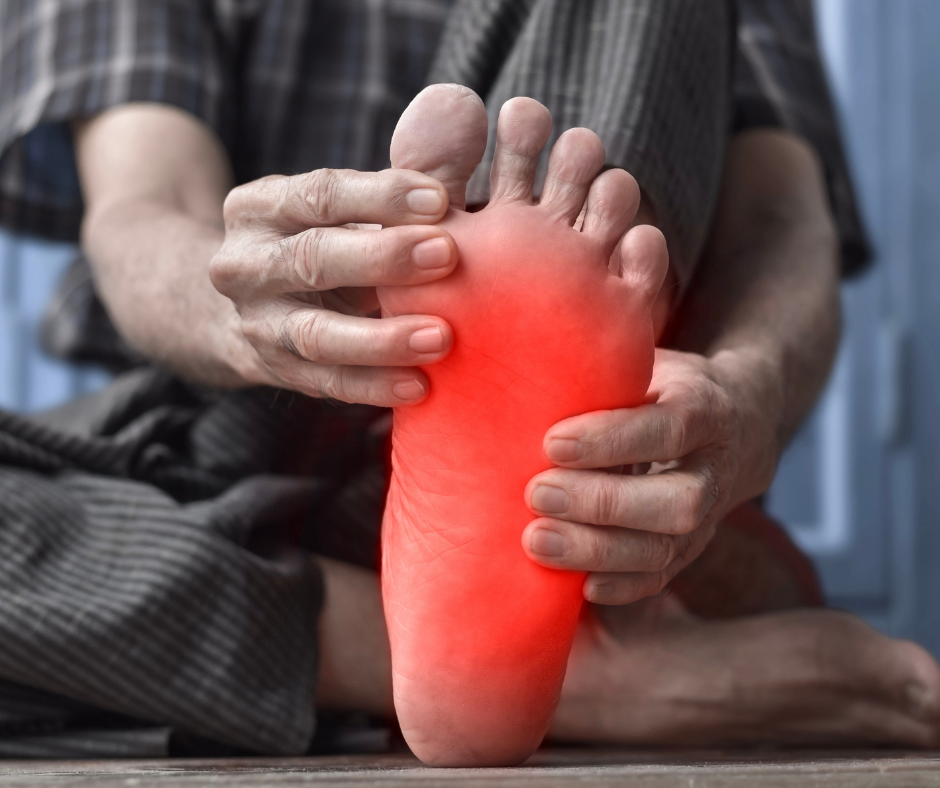
Arch pain is one of the most common foot complaints people experience, and it can make everyday activities uncomfortable. Whether the pain appears after exercise, first thing in the morning, or after long hours on your feet, sore arches can interfere with walking, standing, and staying active. The arch of the foot plays an important role in absorbing shock and supporting body weight, so when something goes wrong, discomfort often follows.
At Syracuse Podiatry, patients frequently seek treatment for arch pain, heel pain, and other foot conditions that affect mobility and quality of life.
Common Causes of Arch Pain
Plantar Fasciitis
One of the leading causes of arch pain is plantar fasciitis. This condition occurs when the plantar fascia, a thick band of tissue running along the bottom of the foot, becomes inflamed. Many patients notice sharp pain in the arch or heel, especially after getting out of bed in the morning.
Flat Feet
People with flat feet often experience arch strain because the feet roll inward excessively while walking. This can place additional stress on muscles, tendons, and ligaments throughout the foot and ankle.
Overuse and Physical Activity
Running, jumping, standing for long hours, or sudden increases in activity levels may overwork the muscles and tissues supporting the arch.
Unsupportive Footwear
Shoes lacking proper arch support can contribute to foot fatigue and pain over time. Flip-flops, worn-out sneakers, and unsupportive dress shoes are common culprits.
Tendon Problems
Conditions such as posterior tibial tendon dysfunction may also lead to arch pain and instability, especially in adults.
Signs You Should Not Ignore
While mild soreness may improve with rest, persistent symptoms should not be ignored. Warning signs include:
- Swelling along the arch
- Pain that worsens with activity
- Difficulty standing or walking
- Sharp morning foot pain
- Burning or tingling sensations
- Changes in foot shape
How Arch Pain Is Treated
Treatment depends on the underlying cause of the pain. A podiatrist may recommend:
- Custom orthotics
- Stretching exercises
- Supportive footwear
- Anti-inflammatory treatments
- Activity modifications
- Physical therapy
Early treatment may be key to finding relief.
For advice related to any podiatric concerns you’re facing, the expert team at Syracuse Podiatry is here to help guide you. Contact us today so Dr. Ryan L. D’Amico, Dr. Donal M. Erickson, Dr. Keith Sherman, and Dr. Colin Kalabanka can elevate your foot health and help your feet feel their best.