
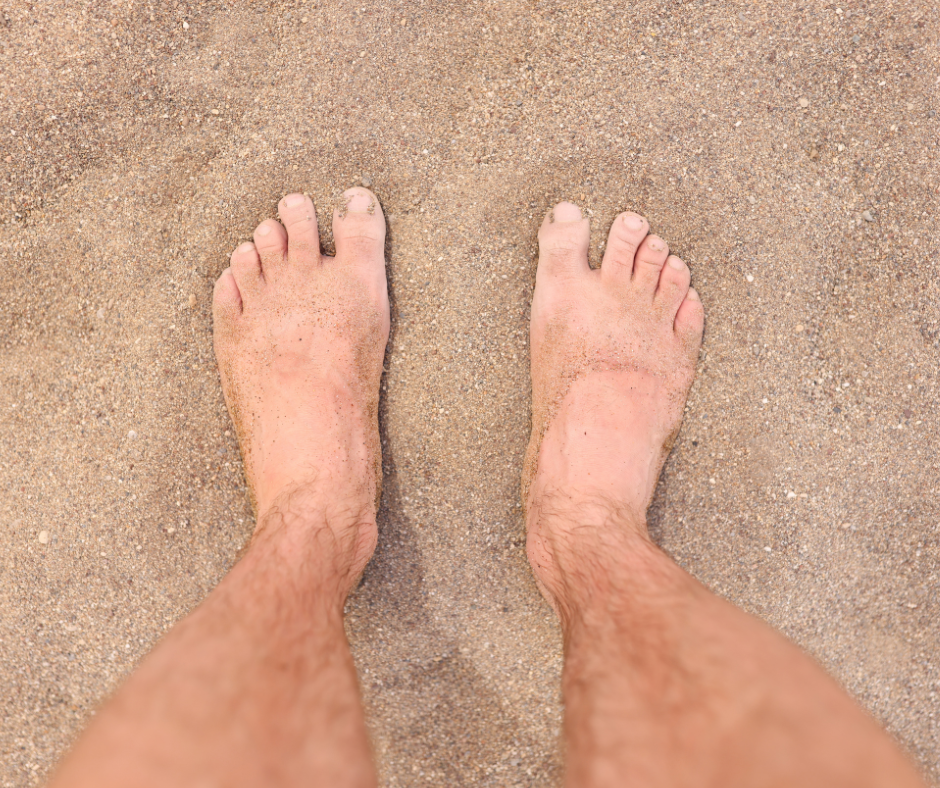
Summer heat can be tough on everyone, but for people with diabetes, hot weather may create additional risks for foot health. Higher temperatures, sweating, swelling, and increased outdoor activity can all raise the chances of developing foot injuries or infections. Unfortunately, many diabetic foot problems begin small and become serious before they are noticed.
At Syracuse Podiatry, we help patients understand how diabetes affects the feet and why extra care during warmer months is so important.
Why Diabetes Increases Foot Risks
Diabetes can affect circulation and nerve function in the feet. Reduced blood flow may slow healing, while diabetic neuropathy can make it harder to feel pain, heat, cuts, or blisters.
This combination becomes especially concerning during the summer.
4 Ways Hot Weather Can Affect Diabetic Feet
1. Burns From Hot Surfaces
Sidewalks, pool decks, sand, and pavement can become dangerously hot during summer months. Someone with diabetic neuropathy may not immediately realize their feet are being burned.
Even a minor burn can become a serious wound if it does not heal properly.
2. Increased Sweating and Fungal Infections
Hot weather often causes more sweating, especially inside socks and shoes. Excess moisture creates an environment where fungal infections like athlete’s foot or toenail fungus can thrive.
Symptoms may include:
- Itching
- Redness
- Cracked skin
- Thick or discolored toenails
3. Swelling in the Feet and Ankles
Heat naturally causes blood vessels to expand, which can lead to swelling. For diabetic patients who already have circulation issues, swelling may increase discomfort and place additional pressure on the feet.
4. Blisters and Small Injuries
Summer activities often mean more walking, travel, sandals, and outdoor exercise. Unfortunately, even a small blister or cut can become dangerous if left untreated.
Summer Foot Care Tips for Diabetics
- Check your feet daily for cuts, redness, swelling, or blisters
- Never walk barefoot outdoors or around pools
- Wear breathable shoes and moisture-wicking socks
- Keep feet clean and dry
- Stay hydrated to support circulation
It is also important to trim toenails carefully and avoid treating wounds without professional guidance.
For more diabetic footcare tips and advice, the expert team at Syracuse Podiatry is here to guide you. Contact us today so Dr. Ryan L. D’Amico, Dr. Donal M. Erickson, Dr. Keith Sherman, and Dr. Colin Kalabanka can elevate your foot health and help your feet feel their best.