
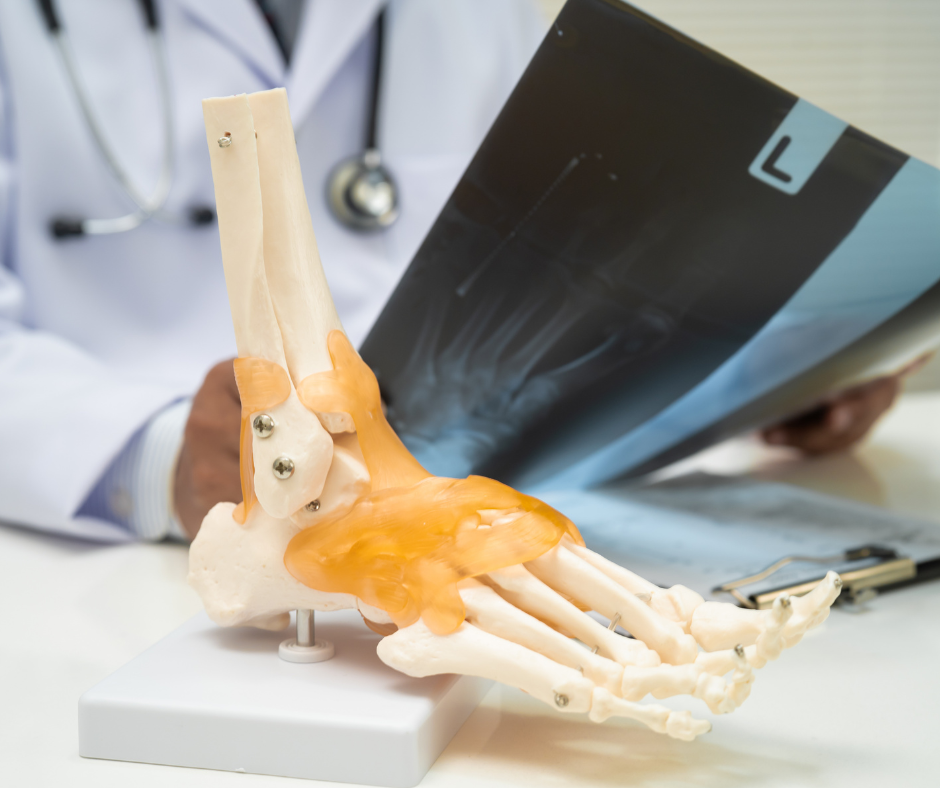
If you have ever felt a sudden snap or a nagging, growing ache in your foot, you know the immediate panic that sets in. When you head to us at Syracuse Podiatry, the first thing they have to determine is whether you are dealing with a stress fracture or a complete fracture, where the bone has actually separated. While both involve broken bone tissue, the way you are treated can be vastly different depending on the severity of the damage. Let’s go over the key differences between each type of foot fracture.
Stress Fractures
Because a stress fracture is often a result of repetitive force rather than a single trauma, the treatment focus is on off-loading and activity modification. You aren’t usually looking at a cast or surgery; instead, your podiatrist wants to stop the repetitive stress so the bone can knit itself back together.
- Rest and Modified Activity: The most important treatment is simply staying off the foot. You might be cleared for swimming or cycling, but running and jumping are strictly off the table for six to eight weeks.
- Supportive Footwear: For many stress fractures, a supportive shoe is enough to keep the foot from flexing. This allows you to walk while keeping the metatarsal bones stable.
- Gradual Re-entry: Podiatrists focus heavily on a slow return to activity. They will often check your vitamin D and calcium levels to ensure your bone density is high enough to prevent a recurrence.
Foot Fractures
When a bone has a clean break or a displaced fracture, the treatment is much more aggressive. The goal here isn’t just rest; it is immobilization and realignment. If the bone isn’t held perfectly still, it may heal at the wrong angle, leading to chronic pain or arthritis.
- Immobilization with Boots or Casts: For a stable fracture, you will likely be placed in a walking boot. These boots use air bladders to provide compression and keep the foot completely still while allowing you to walk (if weight-bearing is allowed).
- Reduction and Surgery: If the bones have moved out of place, your podiatrist may need to perform a reduction to set the bone back into alignment. In severe cases, they might use pins, plates, or screws to hold the structure together during the healing process.
- Non-Weight Bearing Status: Unlike stress fractures, actual fractures often require a period where you are completely non-weight bearing, meaning you will be using crutches or a knee scooter for several weeks.
Don’t Self-Diagnose a Break
The biggest risk you can take is assuming a nagging pain is just a stress fracture and trying to push through it. If you have localized swelling, bruising, or pain that lingers even at rest, you need a professional X-ray.
For advice related to any podiatric concerns you’re facing, the expert team at Syracuse Podiatry is here to help guide you. Contact us today so Dr. Ryan L. D’Amico, Dr. Donal M. Erickson, Dr. Keith Sherman, and Dr. Colin Kalabanka can elevate your foot health and help your feet feel their best.