
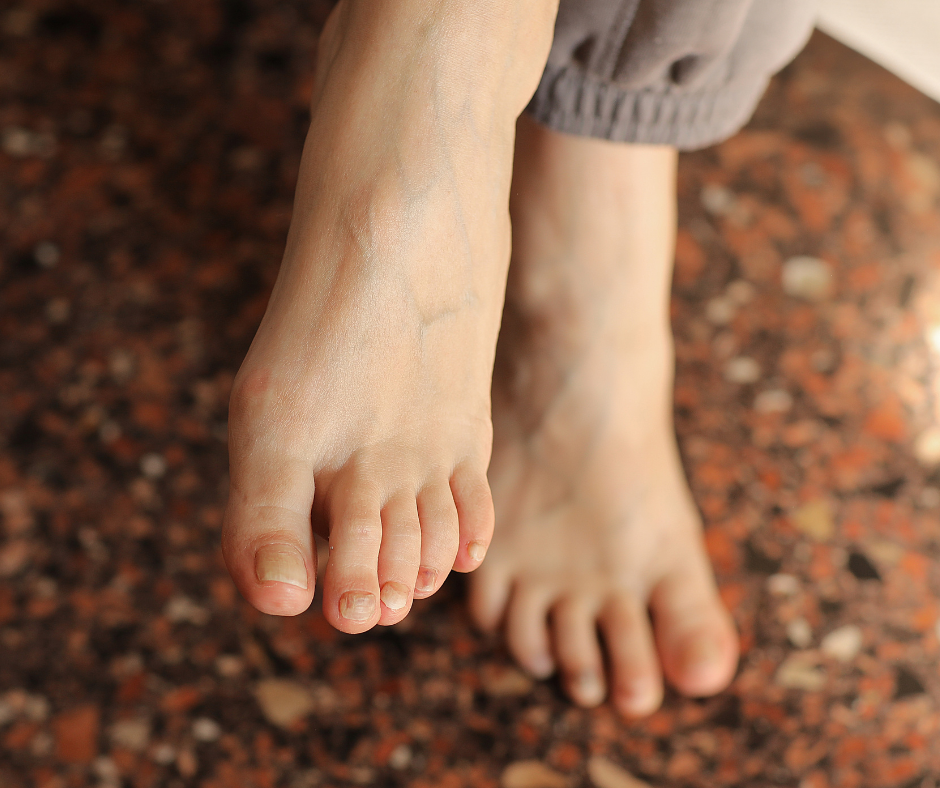
Foot changes can be easy to dismiss, but persistent pain, coldness, discoloration, or slow-healing sores may reveal a problem with blood flow. During Peripheral Artery Disease Awareness Month, Syracuse Podiatry in East Syracuse is highlighting what your feet may be telling you about peripheral artery disease (PAD).
What Is Peripheral Artery Disease?
PAD develops when narrowed or blocked arteries reduce blood flow to the legs and feet. The most common cause is atherosclerosis, a buildup of fatty plaque inside the arteries. Restricted circulation may lead to an ischemic foot, which does not receive enough oxygen-rich blood.
Some people with PAD have no obvious symptoms. Others notice discomfort during activity or visible changes in one or both feet.
Which Foot and Leg Symptoms Can Signal PAD?
- Cramping, aching, or heaviness in the calf, thigh, or foot while walking that improves with rest.
- One foot feeling noticeably colder than the other
- Pale, bluish, or otherwise discolored skin or toes
- Weak or difficult-to-detect pulses in the feet
- Reduced hair growth on the legs or slow-growing toenails
- Cuts, sores, or foot ulcers that heal slowly or do not heal
Numbness may also occur, but it has several possible causes. A podiatric evaluation can help determine whether the problem involves circulation, nerves, or another condition.
Who Has a Higher Risk of PAD?
Risk rises with age and is greater among people who smoke or have diabetes, high blood pressure, or high cholesterol. Because diabetes can affect both circulation and sensation, daily foot checks are especially important. Look at the tops, soles, heels, toes, and spaces between the toes for color changes, blisters, cracks, swelling, or wounds.
When Should You See a Podiatrist?
Schedule an evaluation if walking repeatedly causes leg or foot pain, one foot seems colder, or changes color, or a sore is not healing. A podiatrist can examine the skin, temperature, pulses, and wounds, then coordinate additional vascular testing or care when needed.
Do not rely on appearance alone to diagnose PAD. Regular foot exams are also valuable when risk factors are present without symptoms. If you notice concerning changes, contact Syracuse Podiatry for a professional foot and circulation assessment. Early attention may help protect mobility, support wound healing, and reduce the risk of serious complications. Our podiatrists, Dr. Ryan L. D’Amico, Dr. Donal M. Erickson, Dr. Keith Sherman, and Dr. Colin Kalabanka, can provide guidance and support.