
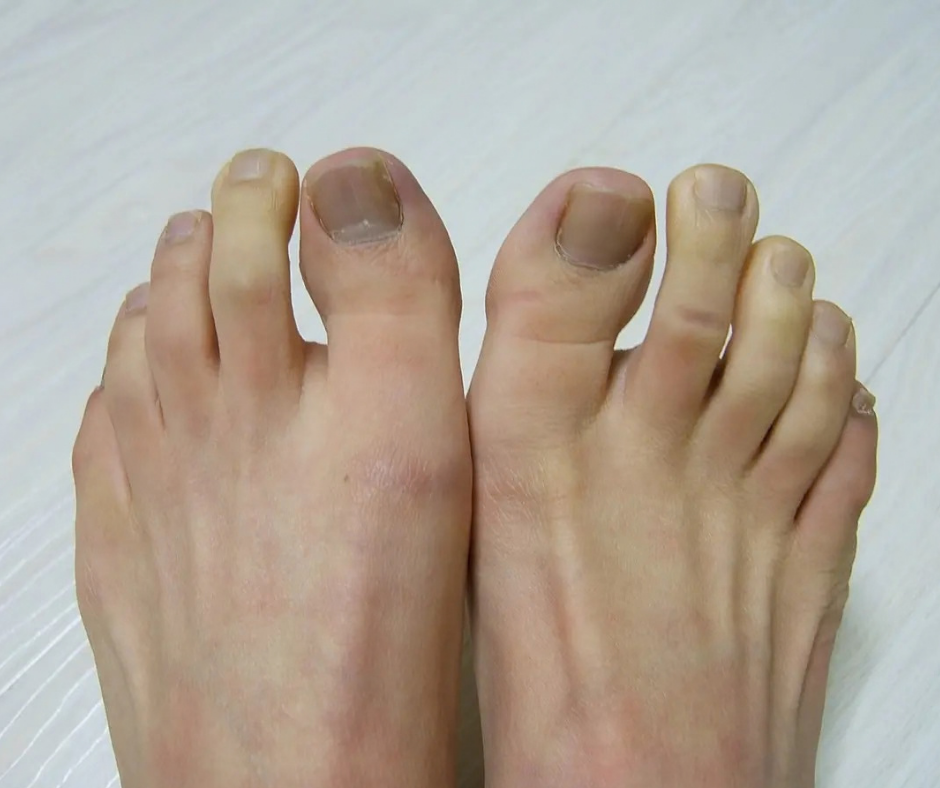
When the temperature drops, cold toes may seem like an ordinary part of living in Central New York. But if your toes turn white, blue, or red and feel numb, prickly, or painful, the reaction may be more than a simple need for warmer socks.
At Syracuse Podiatry in East Syracuse, we help patients identify whether recurring color and temperature changes may be connected to Raynaud’s disease or another circulation concern.
What Happens During a Raynaud’s Episode?
Raynaud’s causes small blood vessels in the extremities to narrow temporarily, limiting blood flow. Episodes are commonly triggered by cold temperatures, but emotional stress may also play a role.
Affected toes may initially become pale or white, then appear blue as blood flow remains restricted. As circulation returns, they may turn red and feel warm, tingly, throbbing, or painful. Not everyone experiences every color change, and symptoms may affect one or several toes.
Are There Different Types of Raynaud’s?
Primary Raynaud’s occurs without another known medical condition and is generally the less severe form. Secondary Raynaud’s is associated with another condition, certain medications, injuries, or other factors. It may produce more serious symptoms and require appropriate medical evaluation.
Cold or discolored toes can also have other causes, including poor circulation, nerve problems, or peripheral artery disease. That is why recurring symptoms should not be self-diagnosed based on color changes alone.
How Can You Protect Your Feet?
Keep your entire body warm, not just your feet. Wear moisture-wicking socks and insulated shoes with enough room for your toes. Shoes that are too tight can add pressure and may make cold feet feel worse.
Avoid placing numb toes directly against a heating pad, radiator, or very hot water because reduced sensation can increase the risk of burns. Warm them gradually instead.
Schedule an evaluation if episodes are frequent, painful, worsening, or affecting only one side. Sores, persistent discoloration, or skin damage also require prompt attention.
Cold toes may be easy to dismiss during a Syracuse fall or winter. If the changes go beyond ordinary chill, contact Syracuse Podiatry so our team can evaluate your symptoms and help determine whether Raynaud’s or another foot-health concern is involved. Dr. Ryan L. D’Amico, Dr. Donal M. Erickson, Dr. Keith Sherman, and Dr. Colin Kalabanka can provide guidance and support.