
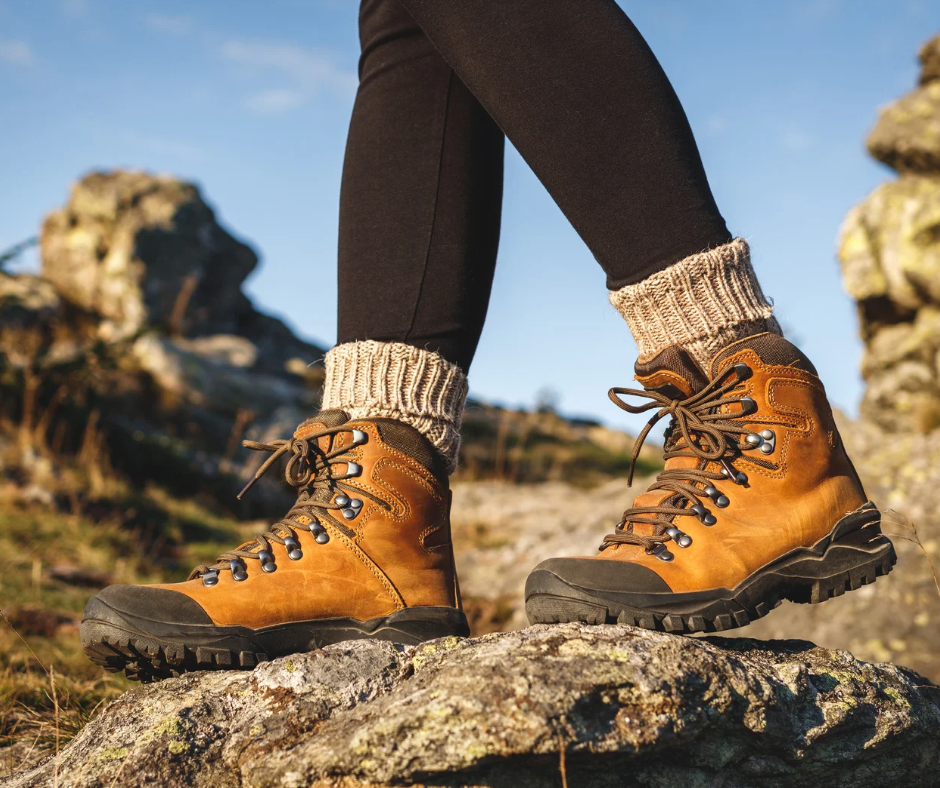
The first chilly day arrives, you pull your boots out of the closet, and your toes suddenly feel cramped, sore, or irritated. The boots may still technically be your size, but months away from closed, structured footwear can make fit problems especially noticeable.
At Syracuse Podiatry in East Syracuse, we help patients throughout Central New York address toe pain caused or aggravated by footwear.
Why Can Boots Put More Pressure on Your Toes?
Boots are often made from stiffer materials than sneakers and may have less flexibility through the toe box. Thick fall or winter socks take up additional room, leaving even less space for your toes.
Your feet may also swell during the day, especially after long periods of standing or walking. A boot that feels comfortable in the morning may begin pressing against your toes several hours later.
Pressure and friction may contribute to:
- Blisters
- Corns or calluses
- Sore or bruised toenails
- Ingrown toenails
- Pain around bunions
- Irritated hammertoes
Boots with raised heels can shift more weight toward the front of the foot, increasing pressure around the toes and ball of the foot.
Could an Existing Foot Problem Be Responsible?
Sometimes boots reveal a condition that was less noticeable in sandals or roomier summer shoes. A bunion may rub against the side of the boot, while a hammertoe may press against the top of the toe box.
Darkening beneath a toenail can result from repeated contact with the front of the shoe, particularly when walking downhill. Burning, tingling, or numbness may indicate nerve irritation rather than ordinary shoe pressure. Syracuse Podiatry recently discussed why some patients experience burning in the ball of the foot while wearing boots.
How Can You Find a Better Fit?
Try on boots with the socks you intend to wear and shop later in the day, when your feet may be slightly larger. Your toes should have room to move without your heel sliding excessively. Do not expect a painful pair to become comfortable simply by “breaking them in.”
Alternate footwear while irritated areas recover and check the inside of each boot for rough seams or worn lining. Persistent pain, swelling, numbness, nail changes, or broken skin should be evaluated.
The right boots should protect your feet from Central New York weather without punishing your toes. Contact Syracuse Podiatry if returning to boots brings back pain. Dr. Ryan L. D’Amico, Dr. Donal M. Erickson, Dr. Keith Sherman, and Dr. Colin Kalabanka can provide guidance and support.