
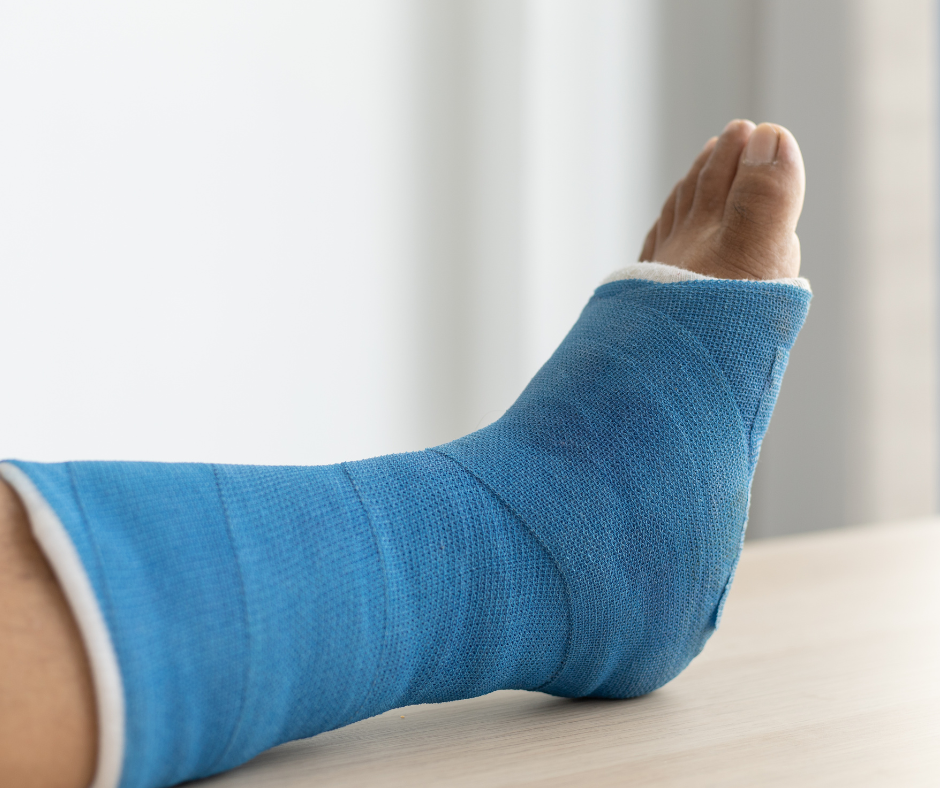
No one wants to hear the word surgery, especially when it involves their feet, and we at Syracuse Podiatry definitely understand. We love using custom orthotics, physical therapy, and stretching routines just as much as the next podiatry team to fix your foot problems, but sometimes, surgical intervention is required to get you back on your feet. For example, sometimes the pain isn’t just a soft tissue issue, but a problem with your bone structure or a tear that simply won’t heal. We’ll walk through common scenarios like this and explain when surgery is the best option.
Structural Problems That Need Correction
We find that most foot surgeries fall into categories where non-surgical care can no longer fix the mechanical problem.
Bunions and Hammertoes
These aren’t just calluses, but structural misalignments of the bones. A bunion pushes your big toe out of place, and a hammertoe is a rigidly bent toe joint.
You can only pad these issues for so long. When the pain is severe and conservative treatments fail, surgery such as a bunionectomy or toe fusion is needed to cut and realign the bone and truly fix the deformity.
Chronic Tendon Issues
For a severe Achilles tendon rupture or Plantar Fasciitis that causes debilitating pain, the tissue damage may be too extensive. Surgery is necessary to repair the torn tendon ends or to release the chronically tight fascia, which allows the tissue to finally calm down and heal.
Severe Arthritis and Fractures
If you have severe post-traumatic arthritis or an acute fracture, surgery is often needed to stabilize the joint, fuse bones together to eliminate painful motion, or use plates and screws to restore bone alignment.
How We Know Surgery Is Needed for Your Foot Problem
We don’t decide on surgery lightly. Our decision is rooted in diagnostic testing, imaging, your symptoms, and your life circumstances.
- The Time Test: We require that you undergo a course of consistent conservative treatment, including custom orthotics, physical therapy, and possibly injections, for at least six to twelve months. If you’ve followed the plan and the pain is still debilitating, we know the problem is mechanical and won’t resolve on its own.
- Imaging Proof: X-rays and advanced imaging, like MRI, are crucial. We use these images to confirm the size and angle of the bone misalignment or to see if a chronic tendon is degenerated or torn. This provides the blueprint showing that the structure must be rebuilt.
- Impact on Life: The final factor is how much the pain is affecting your independence. If the pain prevents you from working, sleeping, or enjoying basic quality of life, surgery becomes the best path toward functional restoration.
For advice related to any podiatric concerns you’re facing, the expert team at Syracuse Podiatry is here to help guide you. Contact us today so Dr. Ryan L. D’Amico, Dr. Donal M. Erickson, Dr. Keith Sherman, and Dr. Nicholas Cronin can elevate your foot health and help your feet feel their best.