
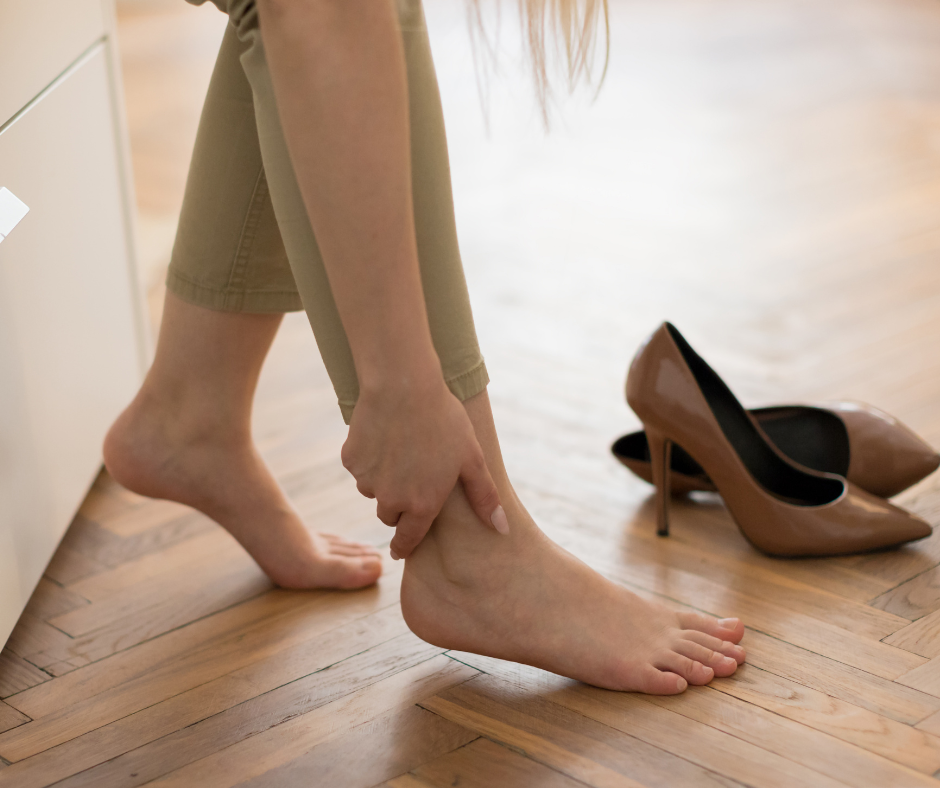
If you have been feeling a dull ache or a tugging sensation at the back of your ankle, you are likely dealing with Achilles tendonitis. And while we often blame a tough workout or a long run for the pain, the real culprit might be sitting right in your closet.
The short answer is yes; the wrong shoes can wreck your Achilles. If you are tired of hobbling around, allow us at Syracuse Podiatry to audit what you are putting on your feet.
Why Your Footwear Is Irritating Your Achilles
Your Achilles tendon is designed to handle a lot of force, but it hates being forced into unnatural positions. There are three main ways your shoes are contributing to that nagging pain.
Low Heel Drop and Minimalist Shoes
Many trendy sneakers or flat sandals have what is called a zero-drop or low-drop design, which means your heel and your toes are at the exact same height.
While this sounds natural, if your calf muscles are even slightly tight, these shoes force your Achilles to stretch further than it wants to with every step.
How Flimsy Shoes Can Cause Achilles Tendonitis
Check the back of your shoe, also known as the heel counter. Is it soft and collapsible? If a shoe doesn’t have a rigid back, your heel will slide around inside, which forces the Achilles to work harder to keep your foot aligned.
On the flip side, a heel counter that is too stiff or high can rub directly against the tendon and cause a painful bump known as Haglund’s deformity.
How to Choose Shoes for Achilles Relief
You don’t have to give up on style, but you do need to prioritize mechanics if you want the pain to stop. When you go shoe shopping, look for these specific features:
- A Moderate Heel Rise: Look for a shoe with a heel-to-toe drop of 10mm to 12mm. This slight elevation takes the tension off the Achilles.
- A Firm Heel Counter: Squeeze the back of the shoe. It should feel sturdy enough to hold your heel in place without digging into your skin.
- Proper Arch Support: If your feet roll inward, it puts a twisting strain on the Achilles. A shoe with good arch support keeps the tendon moving in a straight line.
Simple Fixes for Achilles Tendonitis
If you aren’t ready to buy a new wardrobe of shoes, you can try using custom orthotics. These inserts sit inside your existing shoes and give your tendon the break it needs to heal.
But if the pain persists even after you have swapped your shoes, it is a good idea to chat with a podiatrist.
For advice related to any podiatric concerns you’re facing, the expert team at Syracuse Podiatry is here to help guide you. Contact us today so Dr. Ryan L. D’Amico, Dr. Donal M. Erickson, Dr. Keith Sherman, and Dr. Colin Kalabanka can elevate your foot health and help your feet feel their best.