
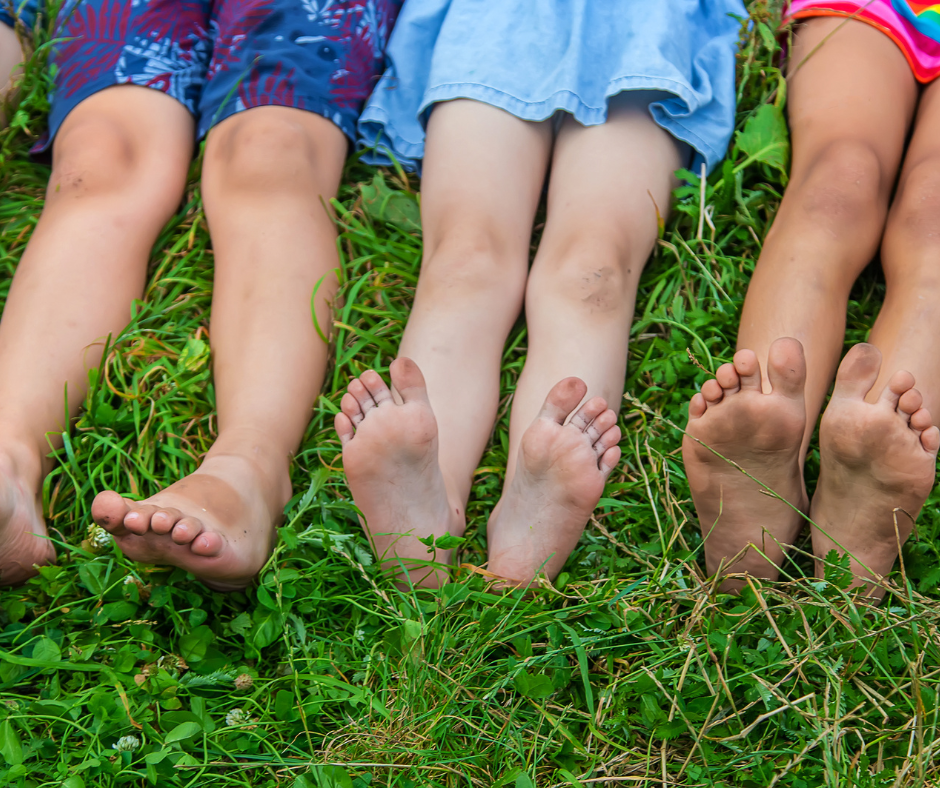
If you have ever watched your child walk across a tile floor with wet feet and noticed their footprints look like ovals rather than curved shapes, you are looking at pediatric flat feet. While many children are born with what looks like flat feet due to a natural fat pad, the concern arises when the arch doesn’t develop as they get older, or if they start complaining of leg cramps and foot fatigue.
If you are worried about your child’s flat feet and how they could impact them later in life, here is how we at Syracuse Podiatry can step in to address the flat foot issue.
Understanding Flexible vs. Rigid Flat Feet
Before starting any treatment, we will determine what type of flat foot your child has. Most kids have flexible flat feet, meaning you can see an arch when they sit down, but it disappears the moment they stand up. This is usually due to loose ligaments.
Rigid flat feet, where the arch is missing regardless of position, are rarer and often involve bones that have grown together.
Once the diagnosis is clear, the focus shifts to making sure your child can stay active without pain.
Custom Orthotics for Pediatric Flat Feet
The most common way podiatrists correct the issues associated with flat feet is through custom-molded orthotics. These aren’t your basic store-bought insoles. A podiatrist takes a precise 3D scan or mold of your child’s foot to create an insert that provides specific support where their unique anatomy needs it most.
These orthotics help realign the foot and prevent the ankles from rolling inward. By holding the foot in this more neutral position, the orthotic takes the strain off the muscles and tendons, which prevents that late-night leg pain often mistaken for simple growing pains.
Physical Therapy for Pediatric Flat Feet
If your child’s flat feet are caused or worsened by a tight Achilles tendon, physical therapy becomes a huge part of the correction process, so we will often prescribe a series of stretches designed to lengthen the calf muscles.
When the heel cord is too tight, it pulls on the foot and forces the arch to collapse. But by loosening these muscles, the foot can naturally sit in a better position.
When Is Surgery for Pediatric Flat Feet Necessary?
In many cases, non-invasive treatments are all a child needs. However, if a child has a structural abnormality or if the pain is severe and doesn’t respond to orthotics, a podiatrist might discuss a minor surgical procedure to realign the bones or lengthen a tendon.
For advice related to any podiatric concerns you’re facing, the expert team at Syracuse Podiatry is here to help guide you. Contact us today so Dr. Ryan L. D’Amico, Dr. Donal M. Erickson, Dr. Keith Sherman, and Dr. Colin Kalabanka can elevate your foot health and help your feet feel their best.