
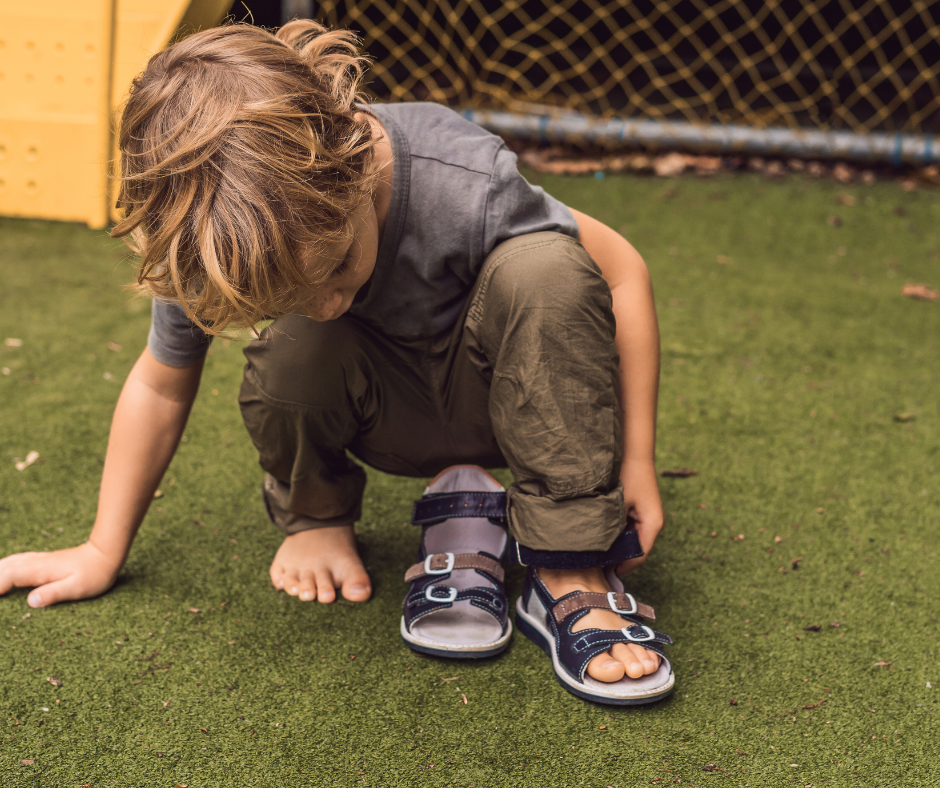
As a parent, it’s always a bit concerning when your active child suddenly starts limping or complaining that their heel hurts, especially when there isn’t a clear trip and fall moment. The good news? Children’s feet are resilient, and most heel pain is tied to the way they grow. Here is a breakdown of what might be causing that ouch in your child’s heel, courtesy of us at Syracuse Podiatry.
Sever’s Disease
If your child is between the ages of 8 and 14 and is very active in sports, the most likely cause is Sever’s Disease. Despite the scary name, it isn’t actually a disease; it’s an overuse injury of the growth plate.
Think of the heel bone like a sandwich: there is the main bone, a soft area of new growth (the growth plate), and then the back of the heel. When kids go through a growth spurt, their bones often grow faster than their muscles and tendons.
This causes the Achilles tendon to pull tightly against the sensitive growth plate. You’ll notice the pain most during or after a game, and your child might start walking on their toes to avoid putting pressure on their heel.
Tight Achilles Tendons
Sometimes, the issue isn’t a bruise, but simply a lack of flexibility. As kids grow, their calf muscles can become tight. Because the calf muscle attaches directly to the heel via the Achilles tendon, that tightness creates constant tension.
This can lead to a dull, aching pain that makes it hard for them to flex their foot upward. If you notice your child seems stiff after sitting for a long time, a few targeted, gentle stretches can often make a world of difference.
Improper Footwear
We all know how fast kids outgrow their shoes. However, wearing cleats or sneakers that have lost their shock absorption is a road to heel pain.
Check the bottom of your child’s shoes. If the tread is gone or the heel is worn down on one side, that lack of support is likely the hidden cause of their discomfort.
When to See a Professional
While growing pains are a real thing, you shouldn’t ignore a limp that lasts more than a few days. If you see swelling, redness, or if the pain is so sharp that it stops them from playing, it’s time to get a professional opinion.
Most pediatric heel pain is solved with simple, non-invasive fixes like custom orthotics to stabilize the foot or a temporary change in their activity level.
For advice related to any podiatric concerns you’re facing, the expert team at Syracuse Podiatry is here to help guide you. Contact us today so Dr. Ryan L. D’Amico, Dr. Donal M. Erickson, Dr. Keith Sherman, and Dr. Nicholas Cronin can elevate your foot health and help your feet feel their best.