
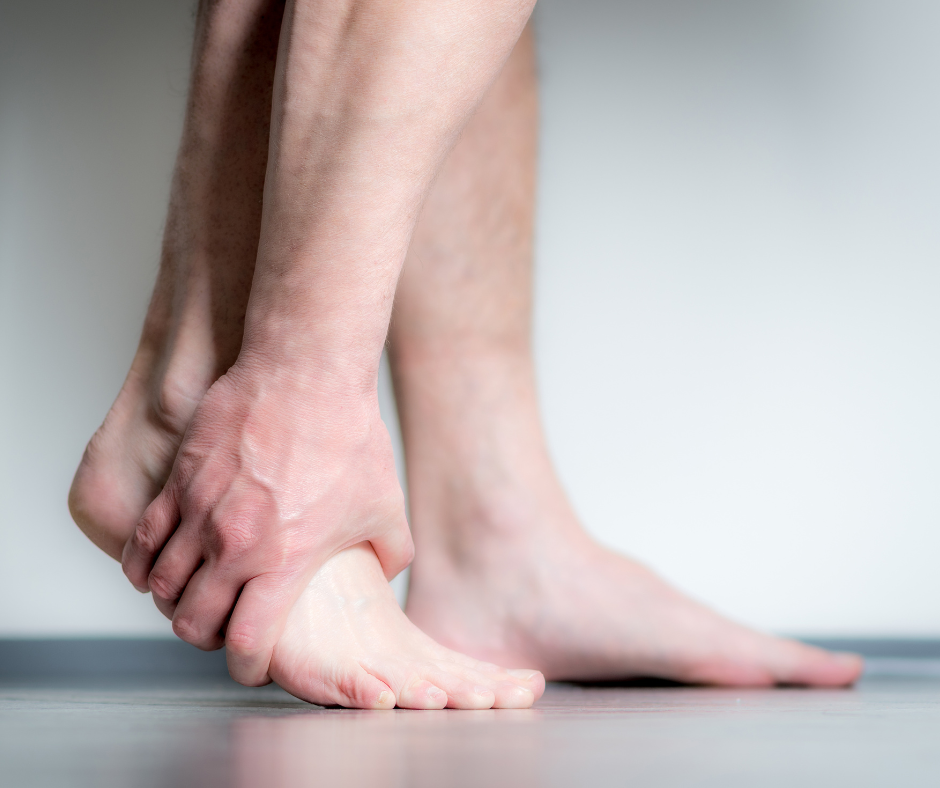
The temperature lately has been nothing short of freezing. But what does that have to do with our heart health? If your blood flow is struggling, your feet are usually the first place to send up a flare. If you have been noticing some strange changes below the ankles, here are seven signs of poor circulation you should never ignore, courtesy of us at Syracuse Podiatry.
1. Feet That Are Always Cold
Chilly toes? This happens because your body is struggling to pump enough warm, oxygenated blood all the way to your feet. If you notice that one foot is significantly colder than the other, it might signal a heart issue like Peripheral Artery Disease.
2. Changes in Skin Color
A classic sign of a circulation issue is dependent rubor. This is when your feet turn a deep, angry red when you are sitting or standing, but turn pale the second you prop them up on a footstool.
3. The Disappearing Toe Hair
It sounds like a strange quirk of aging, but the sudden loss of hair on your toes and lower legs is a major clinical sign. If your heart and arteries are struggling to reach your feet, your body will shut down non-essential functions like growing toe hair to save energy for your vital organs.
4. Shiny, Tight-Looking Skin
When the skin on your feet and shins starts to look unusually thin or shiny, it’s often because a healthy blood supply isn’t replenishing the skin cells.
5. Brittle or Slow-Growing Toenails
Just like your hair, your toenails need blood to grow. If you find that you haven’t had to trim your nails in weeks, or if they have become incredibly brittle, crumbly, and yellowed, it’s a sign that not enough blood is reaching your toes.
6. Cramping and Heavy Legs
If you experience a dull ache, cramping, or a feeling of lead in your calves or feet when you walk that disappears as soon as you sit down, you might be dealing with claudication. This happens because your muscles are essentially tiring during activity.
7. Wounds That Won’t Heal
Every minor scratch, blister, or cut requires white blood cells delivered by your blood. If you have a sore on your foot that hasn’t healed or even significantly improved after two weeks, your circulation might be poor.
This can quickly lead to an infection or an ulcer if a professional doesn’t address it.
It’s American Heart Month, so if you’ve noticed any of these signs, don’t hesitate to ask us at Syracuse Podiatry during your next appointment!
For advice related to any podiatric concerns you’re facing, the expert team at Syracuse Podiatry is here to help guide you. Contact us today so Dr. Ryan L. D’Amico, Dr. Donal M. Erickson, Dr. Keith Sherman, and Dr. Nicholas Cronin can elevate your foot health and help your feet feel their best.