
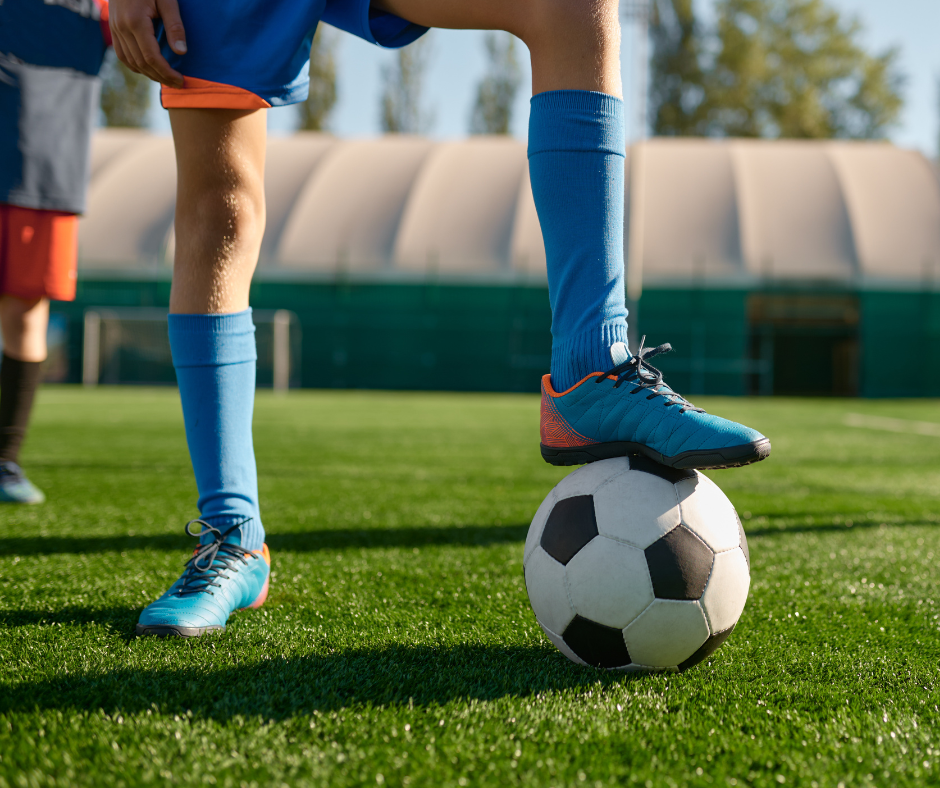
If you have an active child who has suddenly started limping after soccer, complaining of pain, you might be worried they have a serious injury. While heel pain in adults is often plantar fasciitis, in growing children and pre-teens, one of the most common causes we at Syracuse Podiatry treat is actually Sever’s disease. Today, we’ll explore what Sever’s Disease is, its causes, and how we diagnose it.
What Exactly Is Sever’s Disease?
At the back of your child’s heel is a growth plate. Sever’s disease, also known as calcaneal apophysitis, occurs when the Achilles tendon pulls too hard on this sensitive growth plate.
Because the heel bone is often the first part of the foot to reach full size, it can grow faster than the surrounding tissues. This creates a tug-of-war effect that causes inflammation right where the tendon attaches to the bone.
Common Causes and Risk Factors of Sever’s Disease
This condition typically strikes during the early stages of puberty, usually between the ages of 8 and 14, and you are most likely to see this in children who are highly active in sports such as basketball, gymnastics, or soccer.
But what’s the primary cause? Repetitive stress, especially from playing multiple sports seasons back-to-back.
When your child is constantly landing on hard surfaces or sprinting, the Achilles tendon really yanks on that growth plate, and factors like having tight calf muscles, high arches, or flat feet genetically can make this pulling even worse.
Hallmarking the Symptoms
How can you tell if it is Sever’s disease? It’s a combination of these specific signs.
- Heel Pain: localized to the back or bottom of the heel.
- The Squeeze Test: Squeeze the sides of your child’s heel bone. If they jump or wince, it is a classic sign of growth plate irritation.
- Worsening With Activity: It usually gets much worse during a game or practice, but tends to settle down when your child is resting.
- Limping or Toe Walking: You might notice your child walking on their tiptoes to avoid putting pressure on their painful heels.
Diagnosis and Getting Back on the Field
A podiatrist can usually diagnose Sever’s disease through a simple physical exam and a review of your child’s activity levels.
While digital X-rays might be used to rule out a fracture, they aren’t always necessary for a Sever’s diagnosis.
Treatment is all about managing the pull. Using heel cups, stretching the calves, and occasionally resting from high-impact sports will allow the growth plate to heal.
This can be a process, so stay tuned for future articles on Sever’s Disease. In the meantime, if you suspect your child has Sever’s Disease, don’t hesitate to book an appointment.
For advice related to any podiatric concerns you’re facing, the expert team at Syracuse Podiatry is here to help guide you. Contact us today so Dr. Ryan L. D’Amico, Dr. Donal M. Erickson, Dr. Keith Sherman, and Dr. Nicholas Cronin can elevate your foot health and help your feet feel their best.