
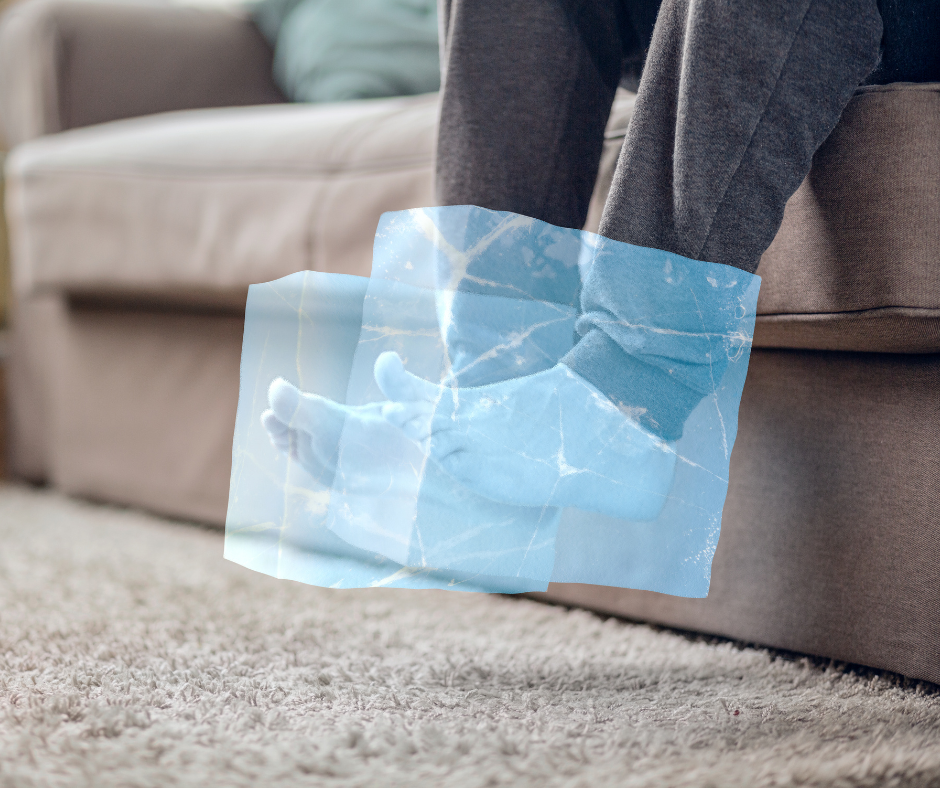
When the temperatures in Syracuse freeze over, so can your toes. You see, your toes are in a vulnerable position in relation to your body, which makes frostbite a sneaky injury. But we at Syracuse Podiatry have seen that frostbite doesn’t always start with sharp pain or a dramatic event. In fact, it often sets in while you think you are doing everything right. Here’s what to watch for.
The Danger of Frostbite’s Numbness
The most dangerous thing about frostbite is that it acts as its own anesthetic. In the early stages of frostnip, your toes might tingle or ache. But as the temperature of your skin continues to drop, your nerves eventually stop sending signals to your brain.
If you are out shoveling or walking the dog and you suddenly realize you can’t feel your toes anymore, you might think they’re just cold.
But once your toes go numb, you lose the ability to tell how much damage is actually happening. You might stay outside for another twenty minutes, unaware that the fluid in your skin cells is beginning to form ice crystals.
Frostbite and Wet Socks
You don’t need sub-zero temperatures to get frostbite. You need moisture. If you are wearing boots that aren’t perfectly waterproof, or if your feet sweat because you’ve bundled up too tightly, you are at risk.
Wet skin loses heat about 25 times faster than dry skin, which is why, if your socks get damp, they pull heat away from your toes very fast. This creates a refrigeration effect inside your boot.
Frostbite and Restricted Blood Flow
Your blood is your body’s internal heating system. So, to keep your toes warm, your heart must pump warm blood all the way down to your feet.
If you have layered on three pairs of thick socks to stay warm, you might be making things worse. If your boots feel tight, you are actually compressing the blood vessels in your feet and causing poor circulation. This makes them freeze much faster than they would in a looser, well-ventilated shoe.
Frostbite: What to Watch For
When you head back inside, pay close attention to how your toes thaw. If they turn red and feel tingly, you likely just had a close call with frostnip.
However, if your skin remains white, waxy, or hard to the touch even after being in a warm room, you might need to seek medical attention.
An important note: never rub your feet to warm them up, as the ice crystals inside the cells can act like tiny shards of glass that cause more damage to the tissue.
For advice related to any podiatric concerns you’re facing, the expert team at Syracuse Podiatry is here to help guide you. Contact us today so Dr. Ryan L. D’Amico, Dr. Donal M. Erickson, Dr. Keith Sherman, and Dr. Nicholas Cronin can elevate your foot health and help your feet feel their best.