
When the temperature drops, it is tempting to hibernate. However, winter offers a unique opportunity for improving foot and ankle health. Cold-weather activities require balance and stabilization that provide a built-in workout for the small muscles in your lower extremities. Here are the pros and cons of 8 winter-focused activities, courtesy of us at Syracuse Podiatry.
The Top 8 Winter Activities
- Cross-Country Skiing
- The Positive: The kick and glide motion is a premier workout for the big toe. Functional range of motion in the big toe is vital for a healthy gait and for preventing bunions.
- The Negative: Sub-par technique can lead to metatarsalgia due to repetitive forceful pushing off the forefoot.
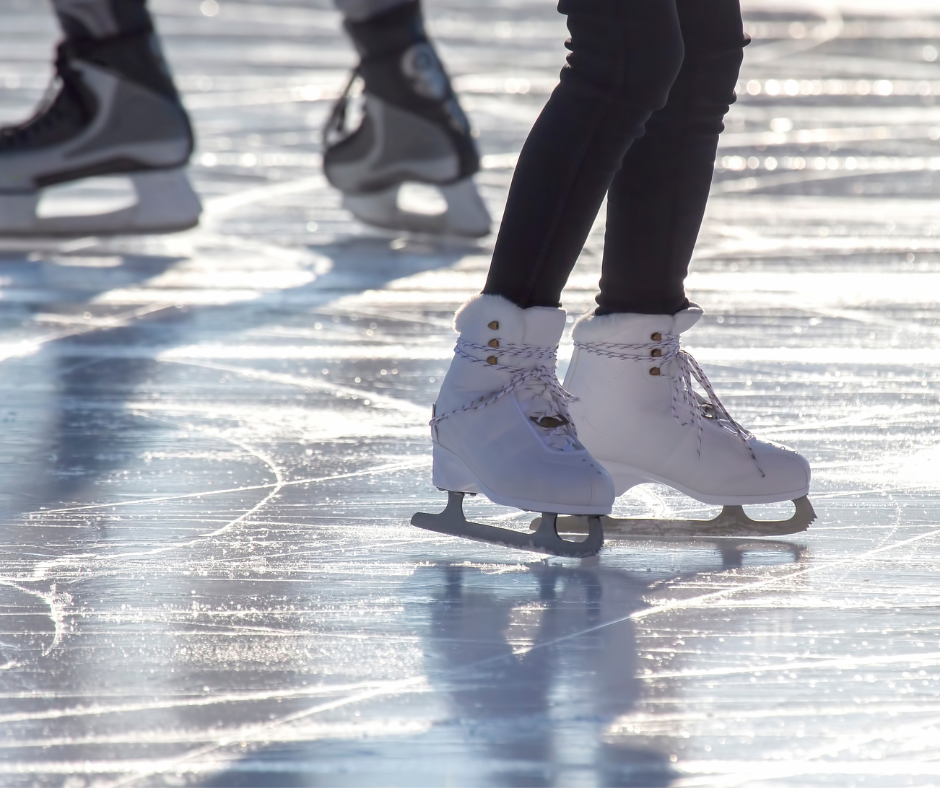
- Ice Skating
- The Positive: Skating requires intense isometric contraction of the intrinsic foot muscles to maintain balance on a thin blade, which significantly hardens the foot’s structural integrity.
- The Negative: The rigid skate boot often causes lace bite, which is a compression of the tibialis anterior tendon, or inflammation of the ankle bone due to friction.
- Winter Hiking
- The Positive: Navigating uneven, frozen terrain improves your balance, which is the best natural defense against future sprains.
- The Negative: Cold temperatures cause tendons to lose elasticity. Hiking on hard, frozen ground without shock-absorbing soles can trigger plantar fasciitis.
- Downhill Skiing
- The Positive: The athletic stance required for skiing strengthens the lower legs and provides a protective sleeve of muscle around the ankle joint.
- The Negative: Constant forward leaning can lead to subungual hematomas (black toenails) as the toes are repeatedly jammed into the front of the boot.
- Snowboarding
- The Positive: Because both feet are strapped to one board, it develops great ankle support and calf endurance.
- The Negative: Snowboarders are prone to a specific fracture, often misdiagnosed as a simple sprain.
- Winter Running
- The Positive: Running through slush or soft snow requires the toes to grip, which strengthens muscles in the foot.
- The Negative: The increased slip factor puts a high eccentric load on the Achilles tendon and increases the risk of a tear or strain.
- Ice Climbing
- The Positive: Front-pointing builds strength in the calves.
- The Negative: The repetitive kicking motion can cause stress fractures in the metatarsals if the boots do not have a sufficiently rigid shank.
- Curling
- The Positive: The sliding delivery requires your ankle joints to stay mobile and prevents stiffness.
- The Negative: When one foot slides and the other pushes, it can lead to pelvic tilt and limb-length discrepancies over time.
For advice related to any podiatric concerns you’re facing, the expert team at Syracuse Podiatry is here to help guide you. Contact us today so Dr. Ryan L. D’Amico, Dr. Donal M. Erickson, Dr. Keith Sherman, and Dr. Nicholas Cronin can elevate your foot health and help your feet feel their best.