
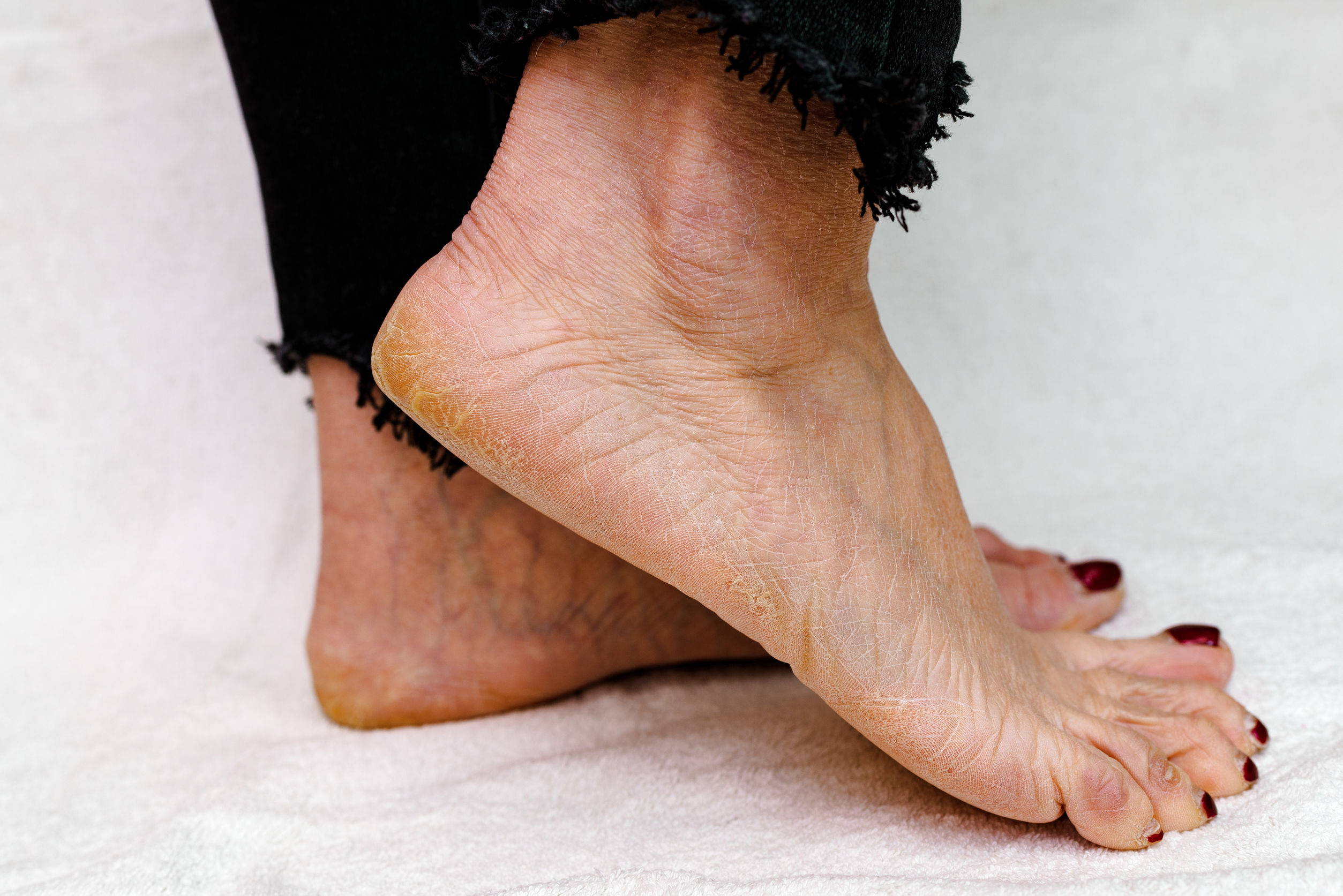
When you think about thyroid health, you probably think of things like weight changes, feeling tired all the time, or a racing heart. But when your thyroid is out of whack, the effects can trickle all the way down to your toes. In fact, your feet can be one of the first places to send up a flare that your thyroid is struggling.
So, if you have been noticing some weird changes below the ankles, here are seven unusual signs that it might be time to get your hormone levels checked, according to our team at Syracuse Podiatry.
1. Cold Feet
We all get cold toes in the winter. But this is different. Since the thyroid controls your metabolism and internal temperature, a slow thyroid means your body is struggling to generate heat, and your feet are the first to lose out.
2. Cracked Heels
Thyroid hormones help regulate sweat glands and the natural oils in your skin. When those levels drop, your skin loses its ability to stay hydrated.
3. Swelling
Thyroid-related swelling is different from the typical water retention you might get after a salty meal. If your feet and ankles look puffy, and the skin feels thick or doughy rather than just tight, it could be a sign of a thyroid imbalance.
4. Yellowish Tint to the Soles
A sluggish thyroid can slow down your body’s ability to convert beta-carotene into Vitamin A. This can lead to a buildup of carotene in your system, which often shows up as a distinct yellow tint on the bottoms of your feet.
5. Brittle, Slow-Growing Toenails
If you feel like you haven’t had to trim your toenails in ages, or if they have become incredibly brittle, crumbly, or prone to splitting, it is a classic sign that your internal engine is running too slow to support healthy nail production.
6. Burning or Tingling Sensations
While we often link tingling to diabetes, an underactive thyroid can actually cause fluid retention that puts pressure on the nerves in your ankles. This can lead to a burning in the feet that’s similar to tarsal tunnel syndrome.
7. Foot Cramps
When our electrolyte levels are off, our muscles can become irritable and prone to spasm. If you find yourself waking up in the middle of the night with a painful Charley horse in your arch or toes, it could be a sign that your thyroid is interfering with your muscle function.
For advice related to any podiatric concerns you’re facing, the expert team at Syracuse Podiatry is here to help guide you. Contact us today so Dr. Ryan L. D’Amico, Dr. Donal M. Erickson, Dr. Keith Sherman, and Dr. Nicholas Cronin can elevate your foot health and help your feet feel their best.