
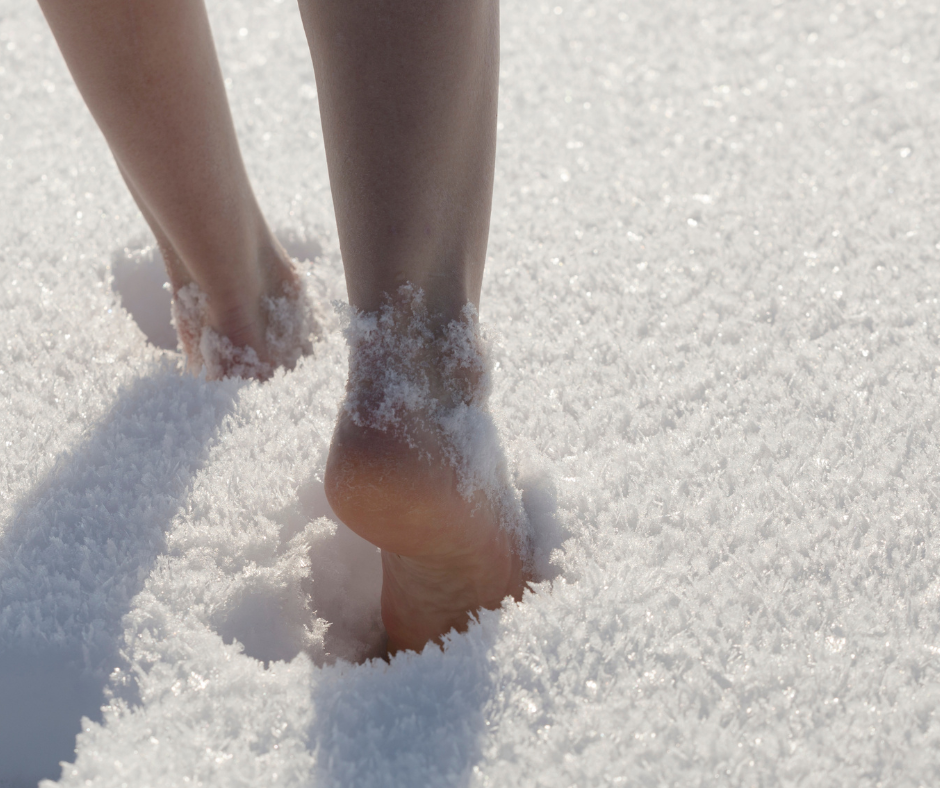
Winter breeds inflammation. Just think of all the NY transplants with arthritis loving their retirements in Florida. But the cold air also brings a specific set of miseries for feet. You might notice that aches and pains which were manageable in July become unbearable by January. If you think that pain is in your head, believe us at Syracuse Podiatry, it’s not. Here are the top offenders that tend to flare up when the snow falls.
1. Bunions and Neuromas
Summer is great for structural foot issues because sandals and mesh sneakers are forgiving. They stretch. Winter boots, however, do not. Heavy leather and rubber boots are designed to be rigid and waterproof, meaning they have zero give.
If you have a bunion or a Morton’s Neuroma (pinched nerve in the ball of the foot), winter boots can feel like torture devices. The rigid material presses relentlessly against the bunion, and the often-narrow toe box squeezes the forefoot and aggravates the pinched nerve. That’s what causes the sharp, burning pain that starts minutes after lacing up.
2. Cracked Heels
As humidity plummets, skin loses moisture rapidly. Combined with indoor heating that dries out the air even further, heels turn into a cracked, callous mess.
In summer, a little dry skin is cosmetic. In winter, these callous layers thicken and lose flexibility. When you step down, the dry skin can’t stretch, so it splits open.
3. Plantar Fasciitis
Cold weather makes everything stiffer, including the oil in your car and the muscles in your legs. The calf muscles and the plantar fascia (the ligament on the bottom of the foot) contract and tighten in the cold.
For those prone to plantar fasciitis, winter acts as an agitator. The lower temperatures mean it takes longer for muscles to warm up and become elastic. This leads to more intense heel pain, especially during those first few steps in the morning or after getting out of a car. The tissue is simply too tight to handle the sudden strain of body weight.
4. Raynaud’s Phenomenon
For some, the cold triggers a dramatic circulatory reaction called Raynaud’s. This isn’t just cold feet. It’s a vascular spasm where the toes turn white, then blue, and finally bright red as they warm up. Winter is the prime season for these painful attacks, which means it’s vital to keep feet consistently warm and avoid sudden temperature shocks.
Recognizing these seasonal shifts is the first step to staying comfortable. It might mean swapping to wider boots, upgrading a moisturizing routine, or spending a few extra minutes stretching those cold calves.
For advice related to any podiatric concerns you’re facing, the expert team at Syracuse Podiatry is here to help guide you. Contact us today so Dr. Ryan L. D’Amico, Dr. Donal M. Erickson, Dr. Keith Sherman, and Dr. Nicholas Cronin can elevate your foot health and help your feet feel their best.